A guidebook · South-west France
The Gers
Towns and villages, markets, restaurants, walks, festivals, Armagnac and days out.
Photo: Krzysztof Golik · CC BY-SA 4.0
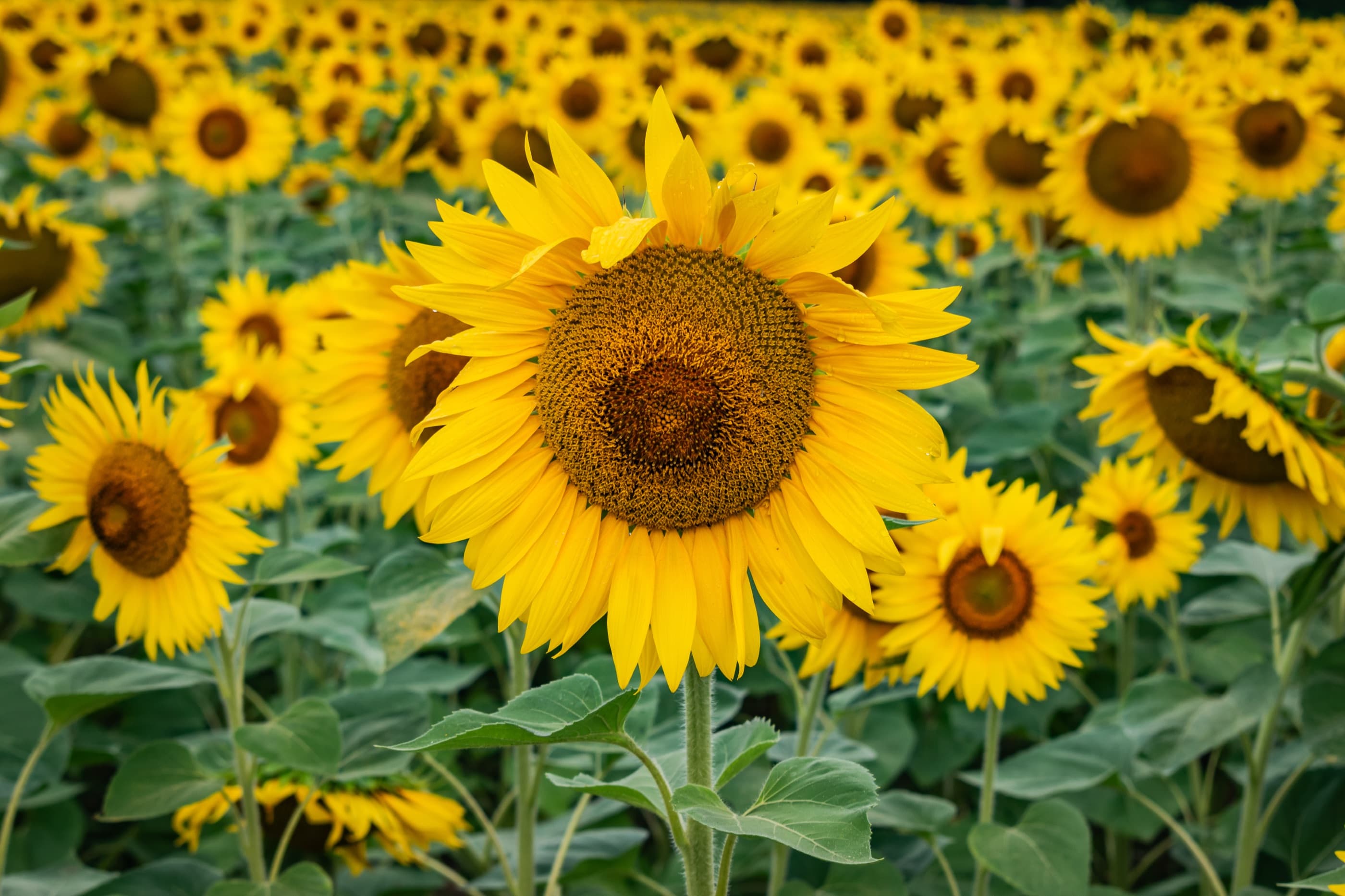
The Gers does not perform for visitors. It grows sunflowers and garlic, fills its market halls of a morning, and eats seriously. We are not locals: we are one family, coming to this corner of Gascony since the 1980s, to a house ten minutes from Saint Clar. This guide is what we tell friends who ask — which market is worth the drive, which walk the children will finish, where to eat, where the Armagnac is made. When somewhere disappoints, we say so.
A small map of France with the Gers département marked in the south-west.
Highlights
- Saint-ClarSaint Clar market Our pickProducers under the 13th-century timber market hall. Saint Clar is the centre of Ail Blanc de Lomagne, the IGP white garlic, so the garlic is not a souvenir here — it is the local industry.Thursday and Saturday mornings
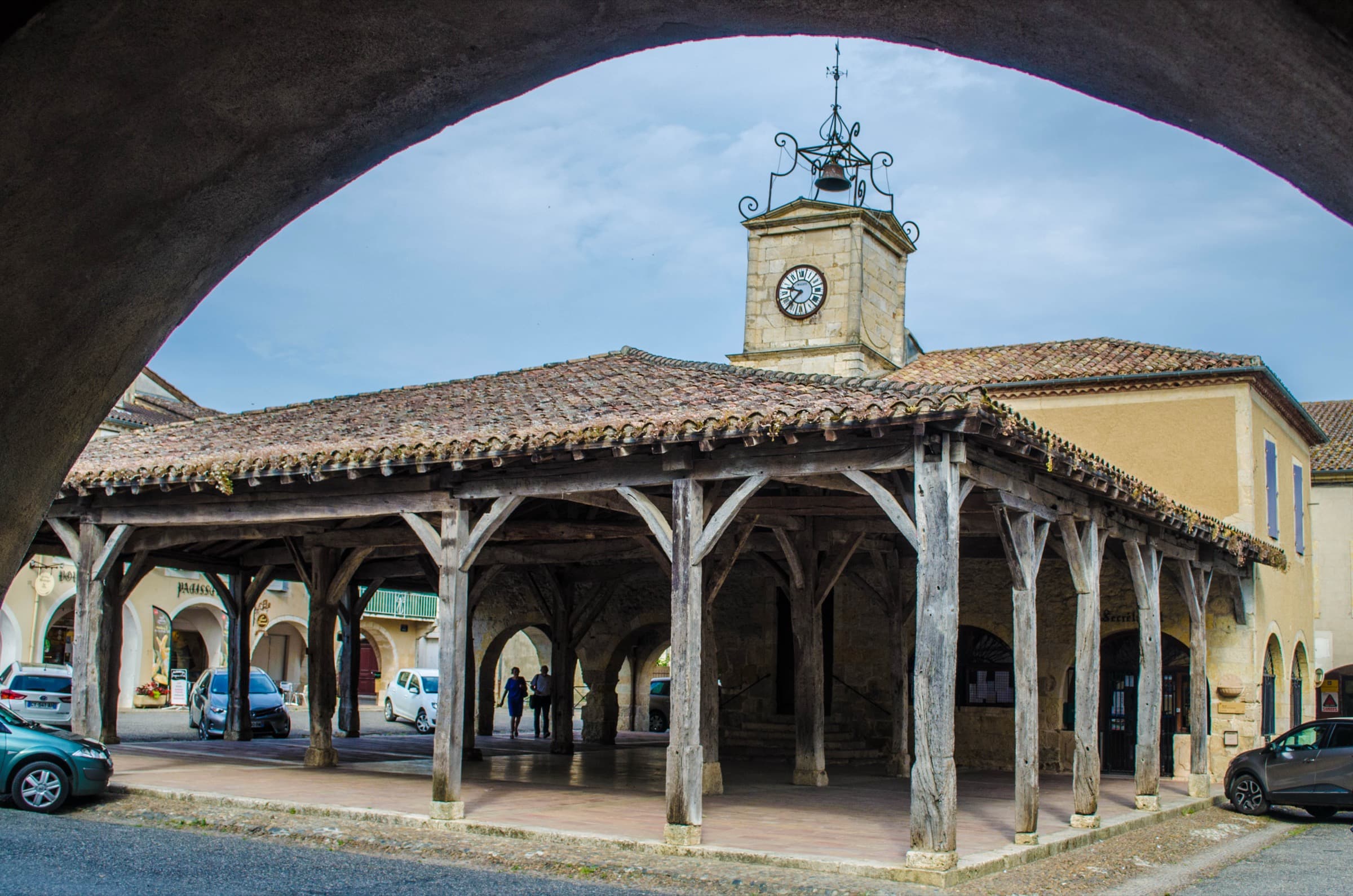
- Saint-ClarLes soirées gourmandes (festival) Our pickProducers set up under the halle and you eat off their plates wherever you can find a seat, with music. The garlic festival falls on the first Thursday; the competition on the third, judged on sacks, bundles and braids before the public is let in, and ending in a communal meal for around 1,300 people. Garlic has been grown here since 1265.Thursday evenings in August
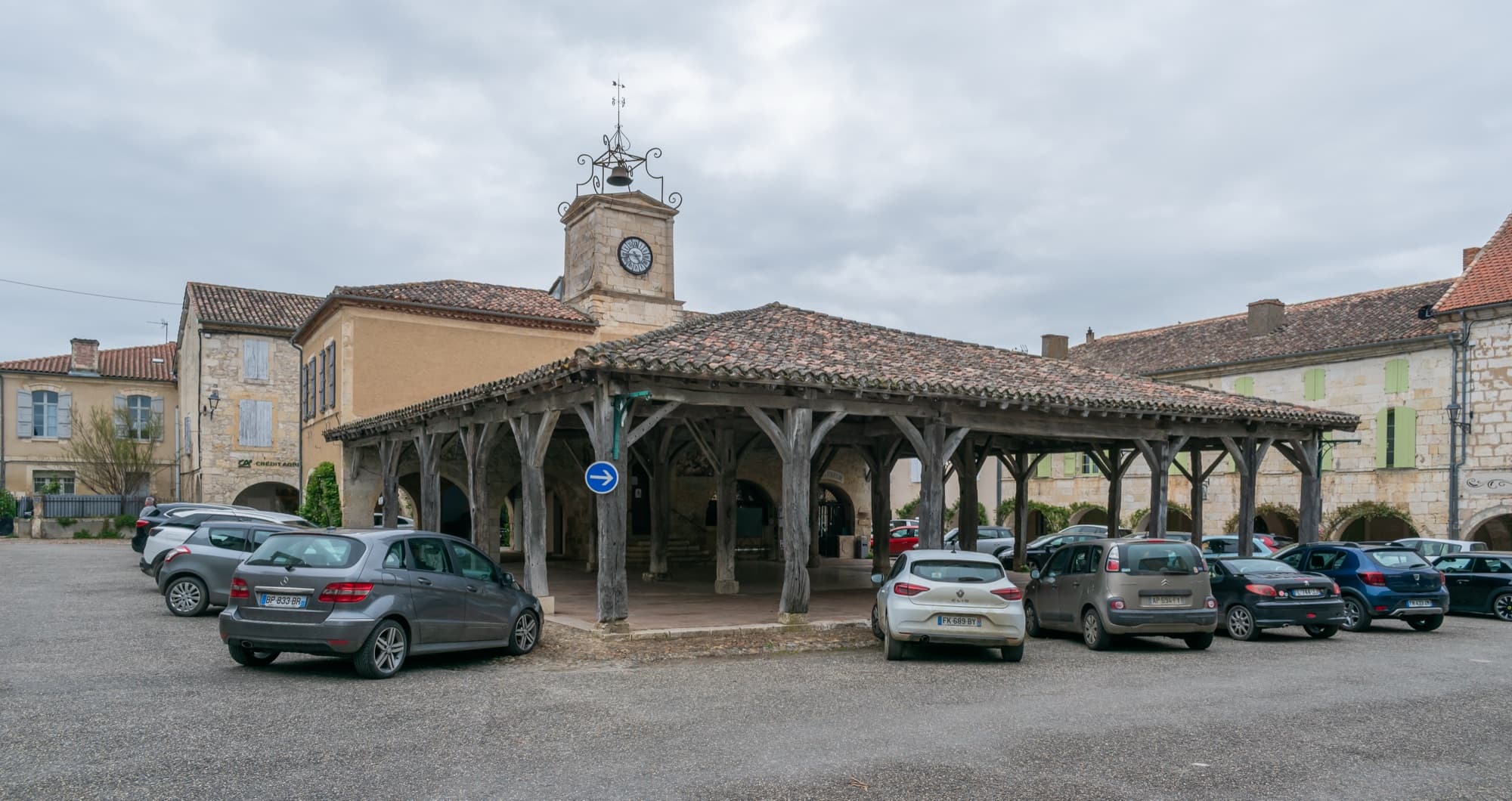
- Saint-ClarLe Vallon des Kangourous (activity) Our pickFour hectares walked on foot among free-roaming wallabies, emus, llamas and alpacas, with a fossil sandpit at the end. Afternoons, and it moves to mornings in a heatwave. Card only.Spring through September
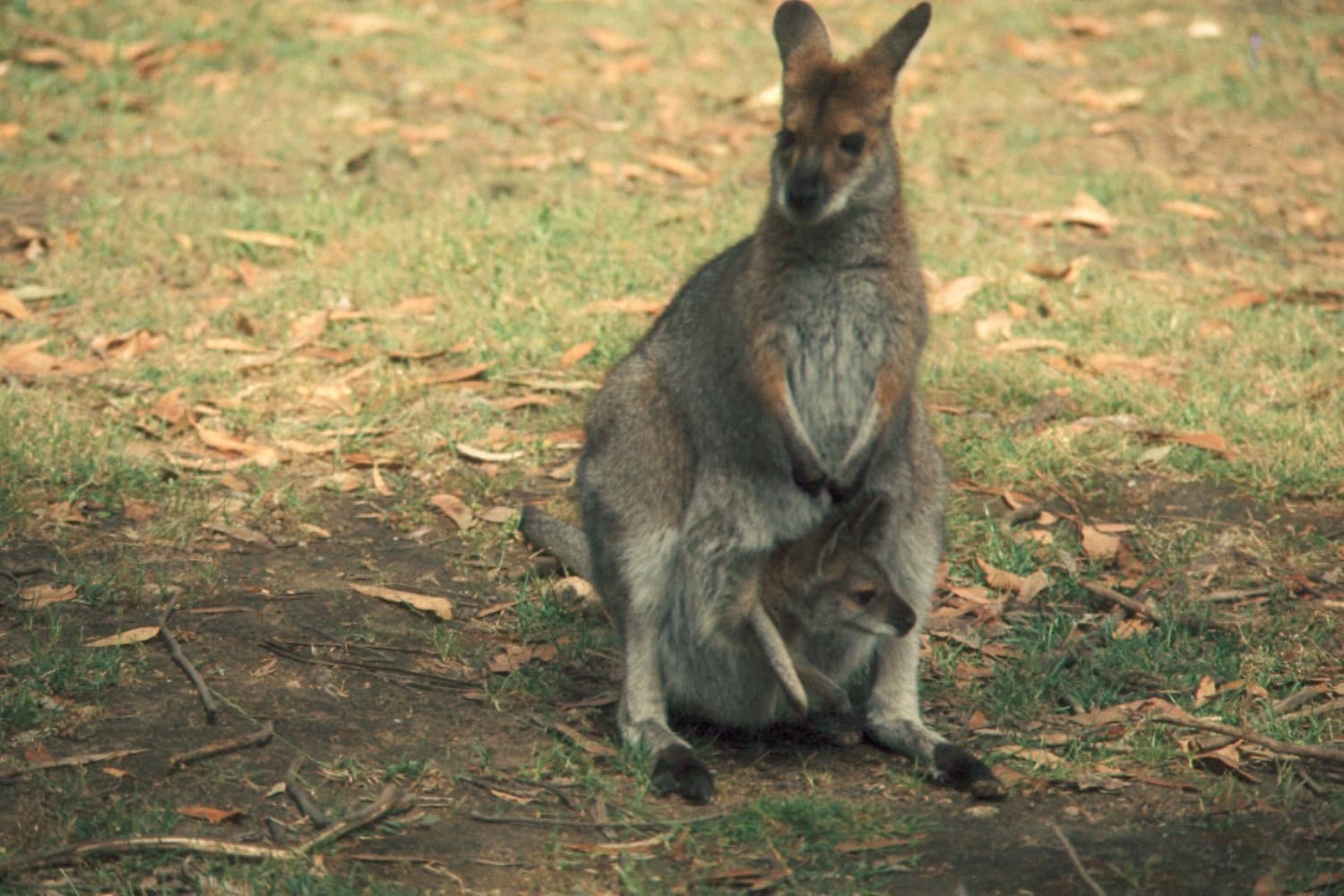
- Saint-ClarChemin de la Bénazide Our pickFive and a half kilometres from the square. The walk on the doorstep, and the one to do on the first morning.
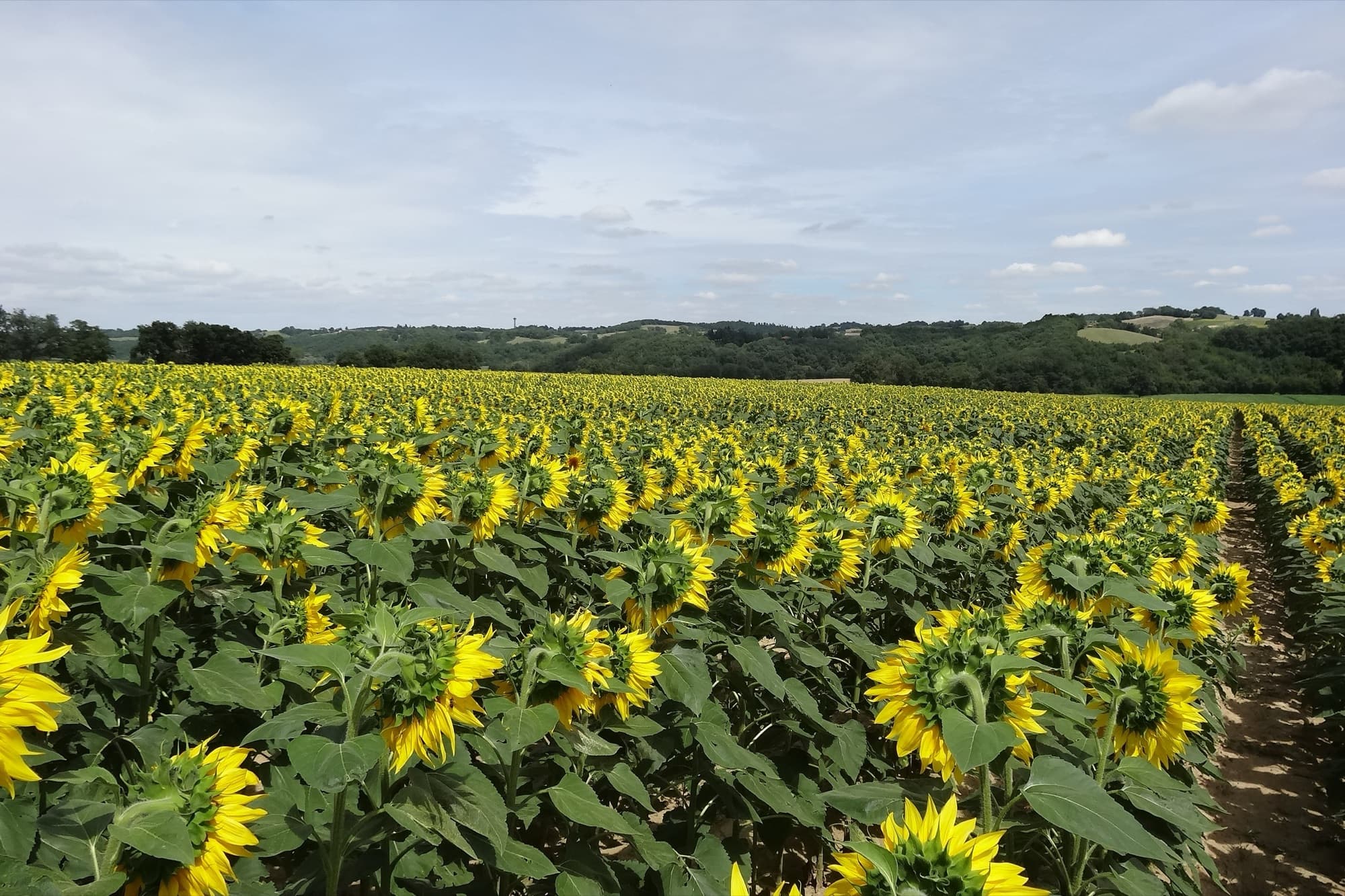
- LectoureLe versant nord de Lectoure (walk) Our pickNine kilometres, about three hours, over farm track, woodland including a small bamboo grove, and quiet lanes. The best-reviewed walk in range by some distance. Two honest caveats from people who have done it: the waymarking has gaps in two places, and there are ticks in the long grass in spring.All year; muddy in winter
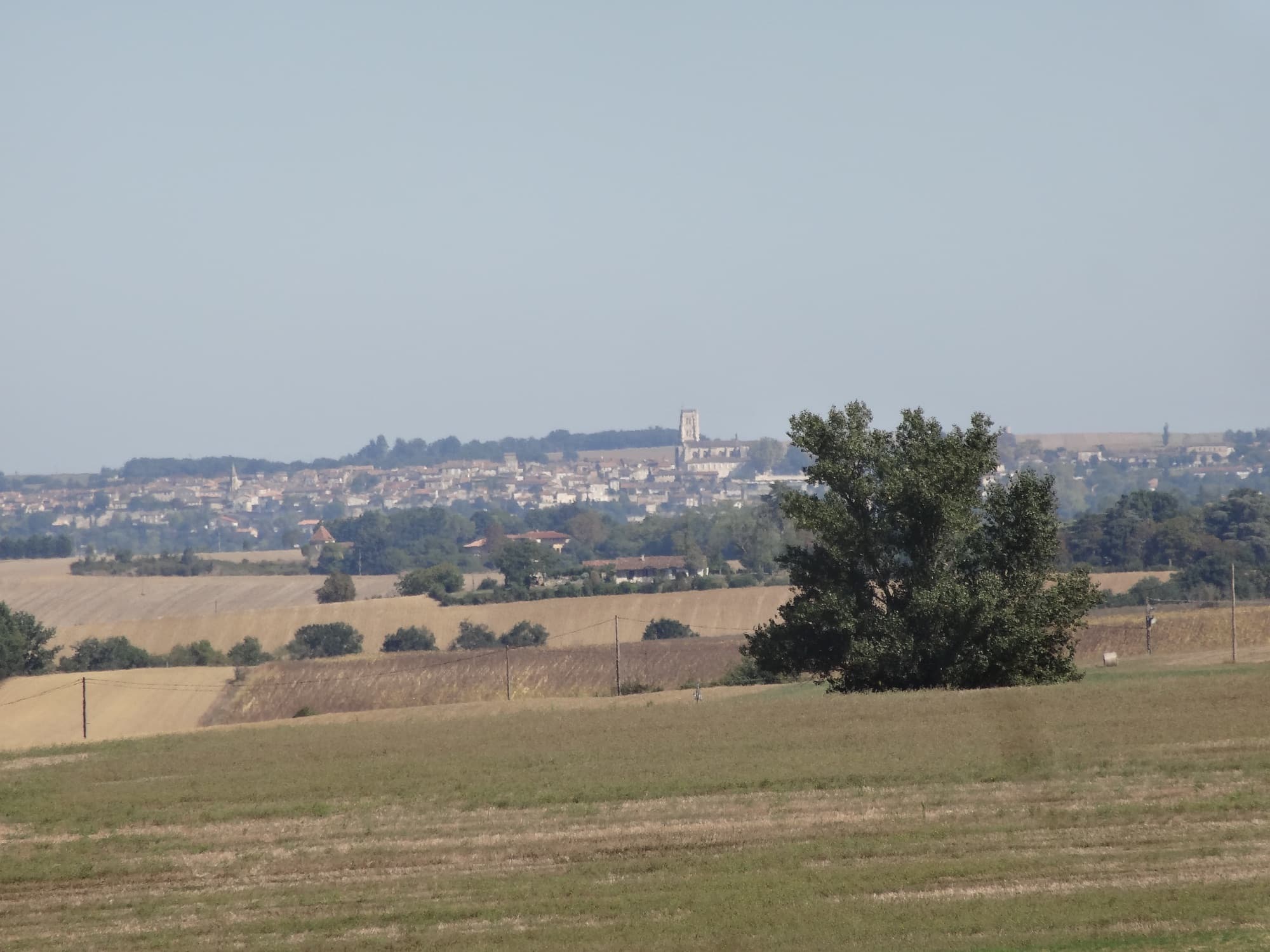
- SarrantLe sentier des Pigeonniers Our pickSeven and a half kilometres, around two hours, rated very easy, with four dovecotes to find along the way and a board at each. The best walk here for children specifically, because counting pigeonniers gives them a job. The panoramic stretch has no shade at all, and there is a bookshop-café at the end.All year; start early in August
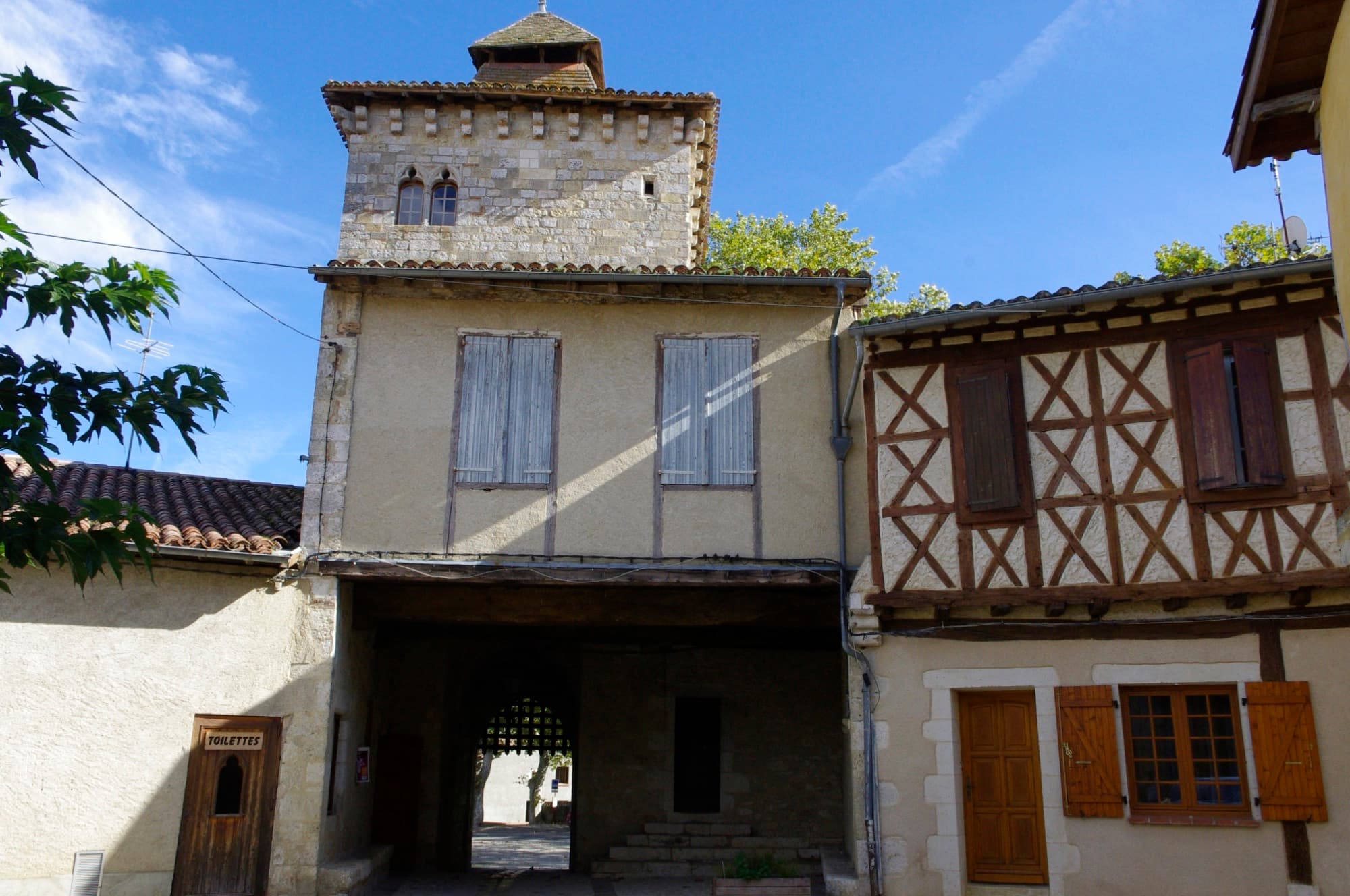
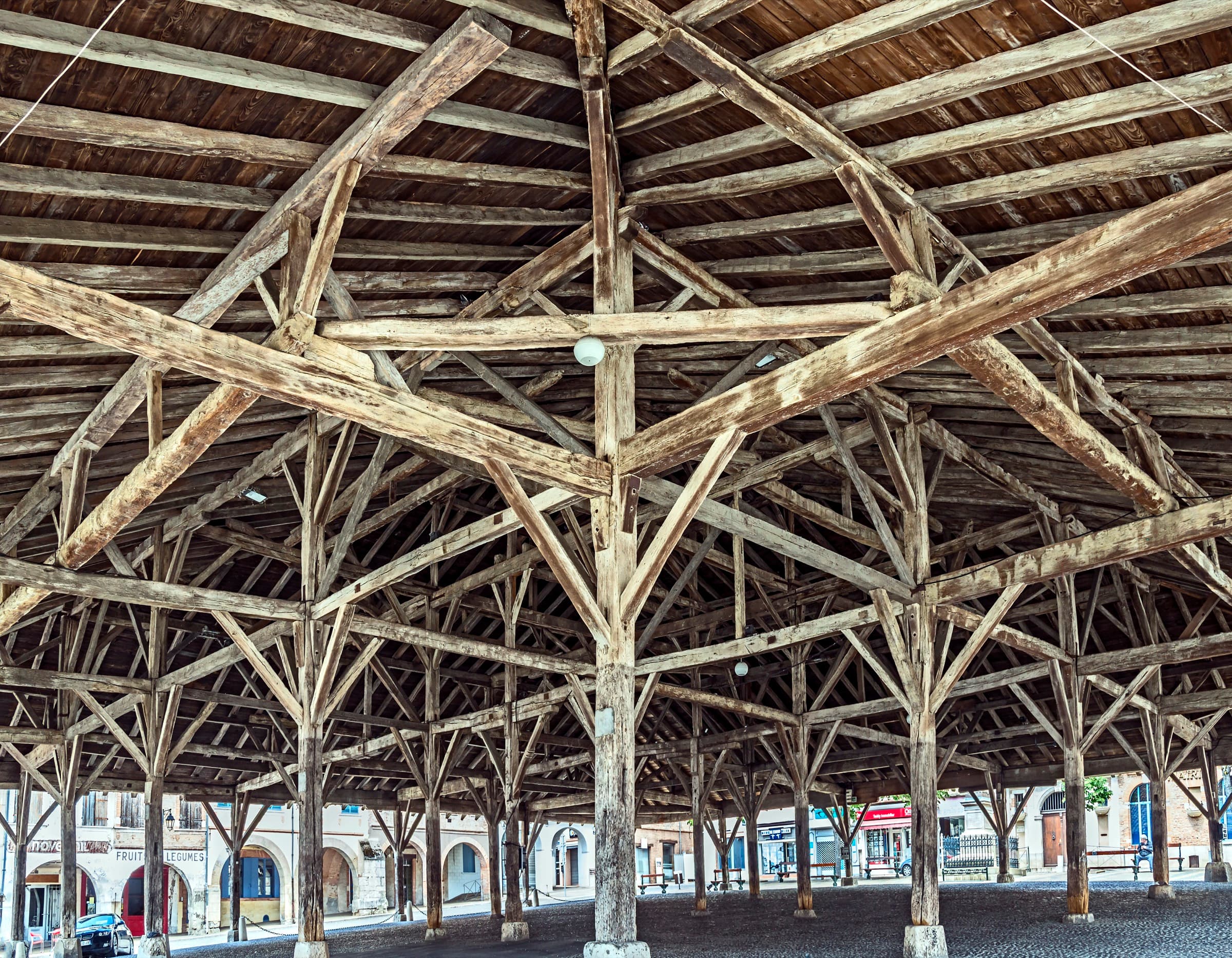
- Beaumont-de-LomagneBeaumont-de-Lomagne (town) Our pickPierre de Fermat was born in this house and nobody can say what year: there are baptisms recorded for 1601 and 1605, his epitaph implies 1607, and the parish register has a hole in it exactly where the answer should be. The theorem he scribbled in a margin — that the margin was too narrow to hold his proof — took until 1995 to settle. The 14th-century oak halle he grew up under still holds the Saturday market.Year round; market Saturday mornings
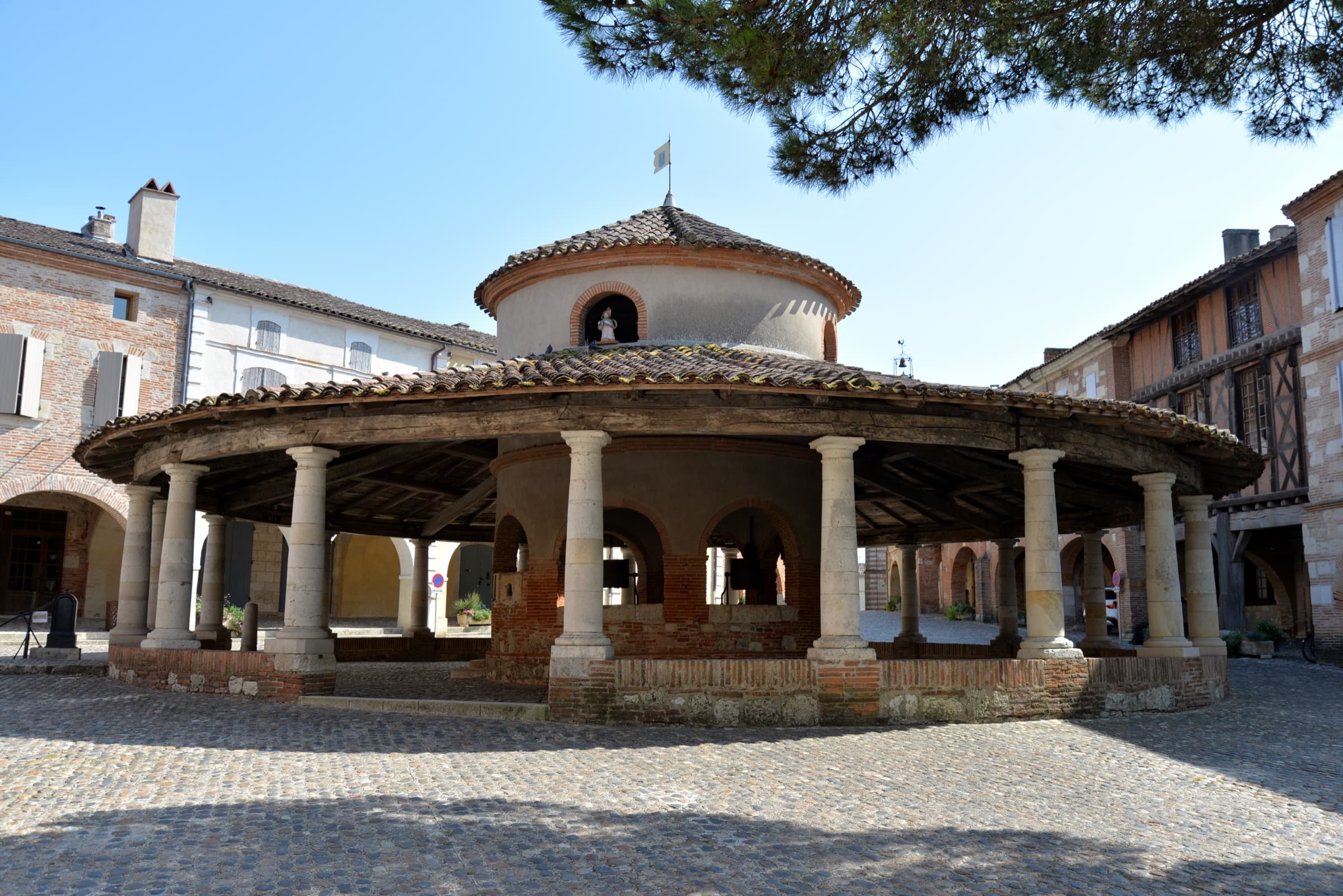
- AuvillarAuvillar (town) Our pickWhat made Auvillar rich in the 18th century was goose quills, cut here and shipped down the Garonne as far as Spain. The round market hall on the triangular square stands on twenty Doric columns, and in the raised core at its centre the original stone grain measures are still set into the floor, where the market inspector stood to settle arguments. Half an hour on foot covers it.Year round
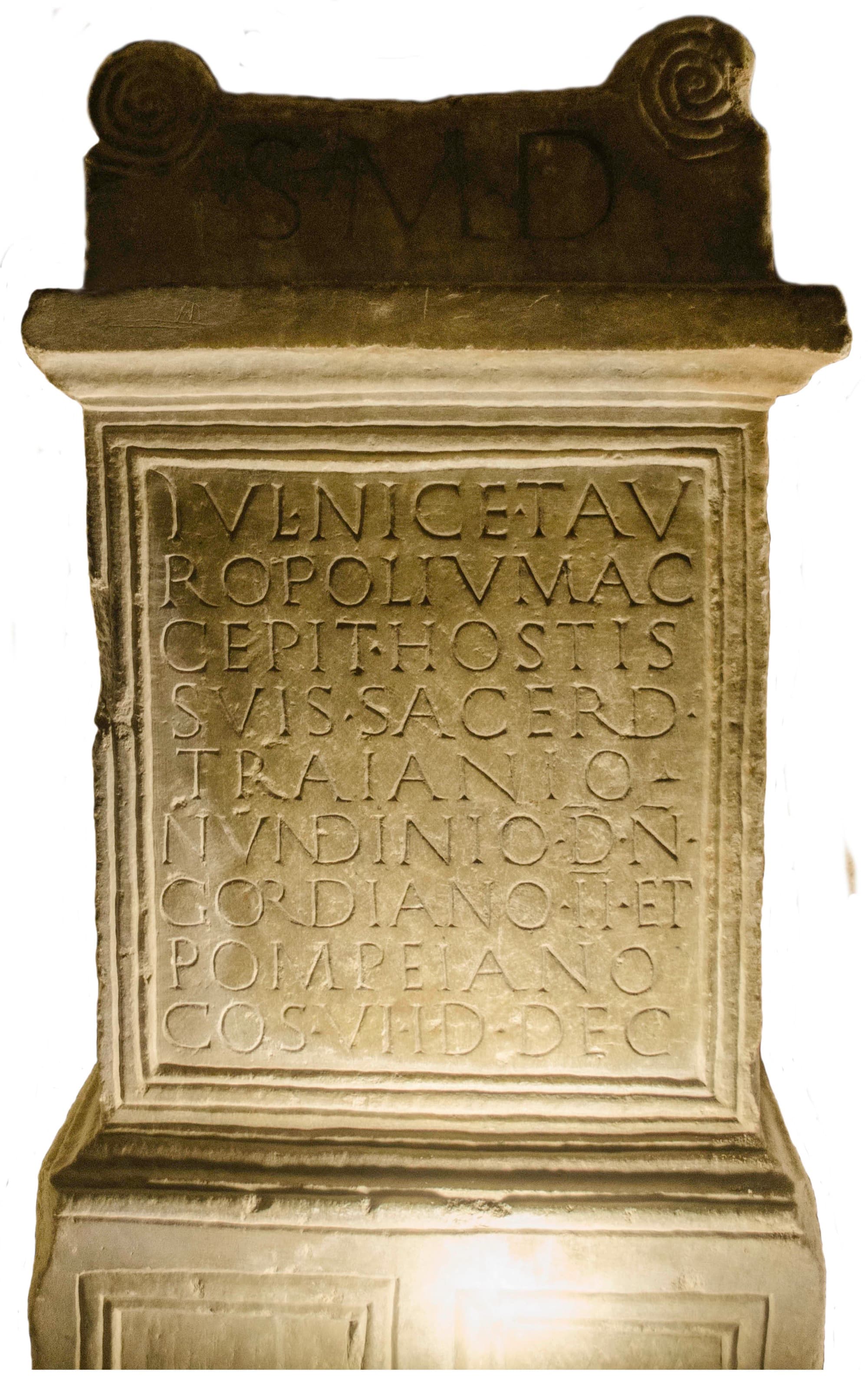
- LectoureMusée archéologique Our pickIn 1540 workmen rebuilding the cathedral choir dug up twenty Roman altars recording bulls sacrificed to Cybele, one dated to the exact day: 18 October 176. It is the most important collection of its kind anywhere — Rome itself holds about fifteen. It lives in the vaulted cellar under the town hall and takes half an hour.April to November
- LavardensChâteau de Lavardens Our pickSeventeen rooms and seventeen different floors, each a separate geometric pattern laid in local brick and limestone, no two alike. Rebuilding began in the early 1600s and never finished — plague in 1653 drove two hundred workmen off the hill and the top storey was never built. It was nearly broken up as a stone quarry before being listed in 1961.Open daily
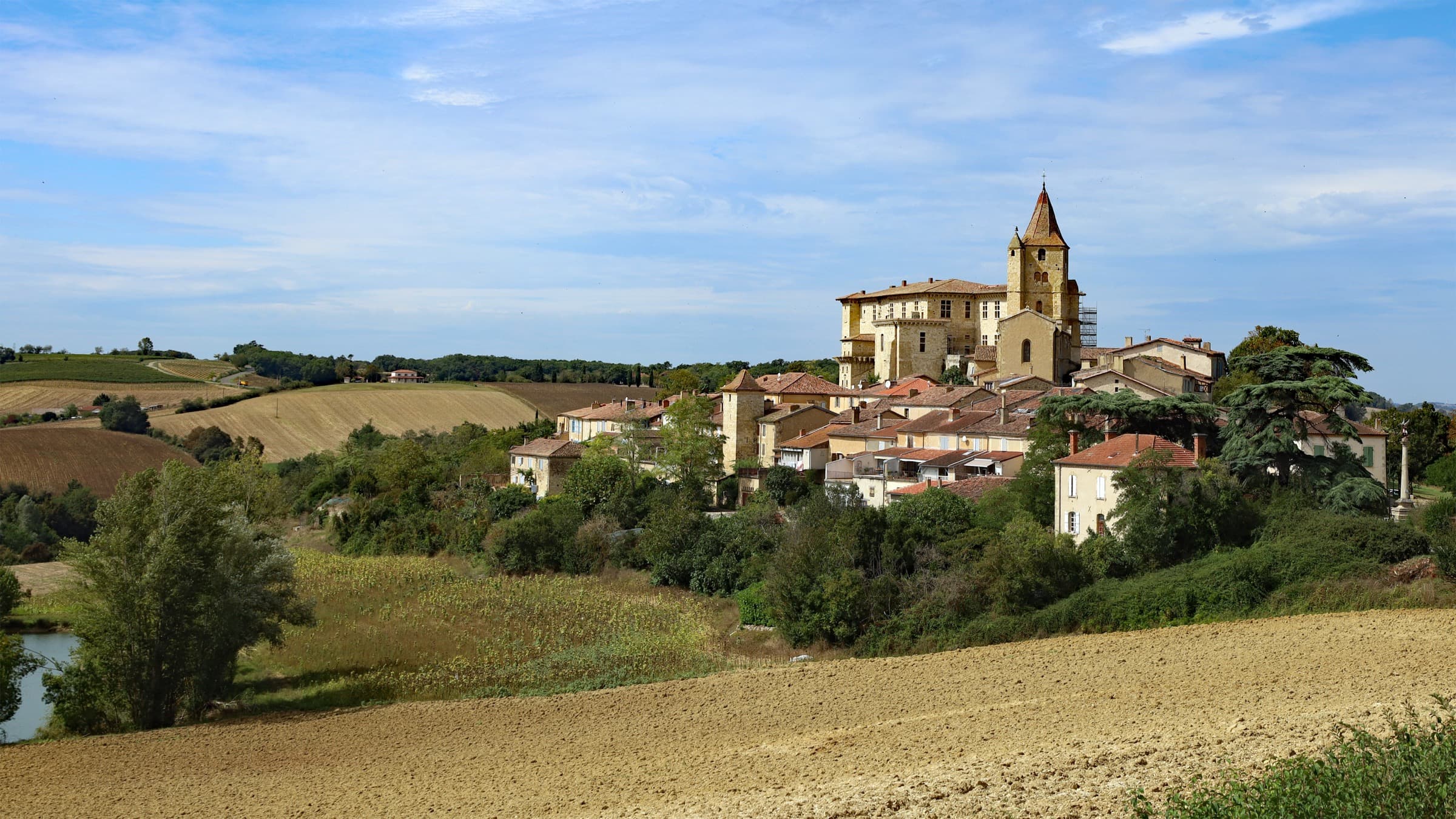
- La RomieuLa Romieu (town) Our pickOne of the Plus Beaux Villages de France. The collegiate church is UNESCO-listed and holds one of the oldest double-helix staircases in Europe — two intertwined spirals, so two people can climb without meeting. Check the days before you drive out; the church and the gardens close on different ones.Church year round; gardens April to October
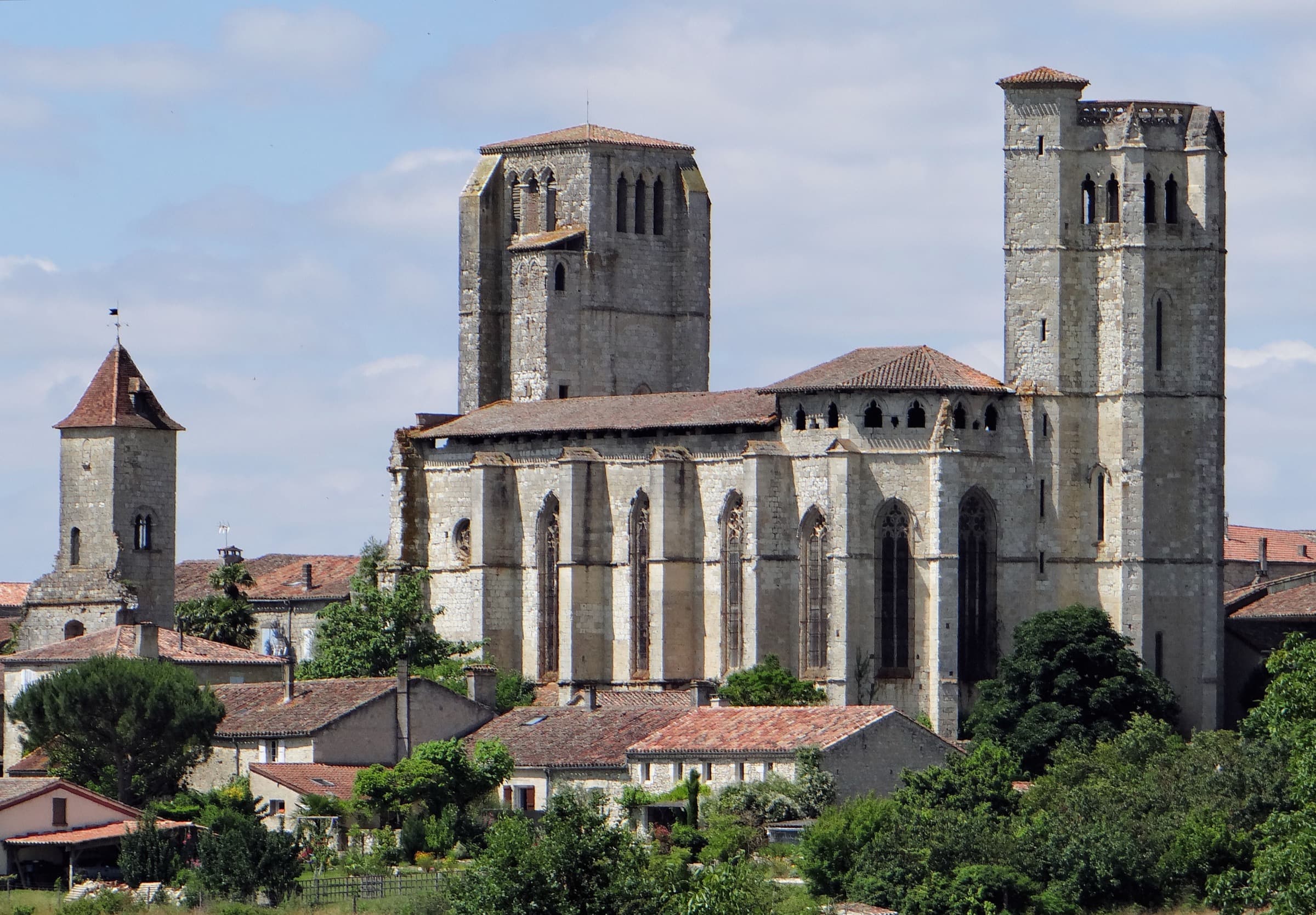
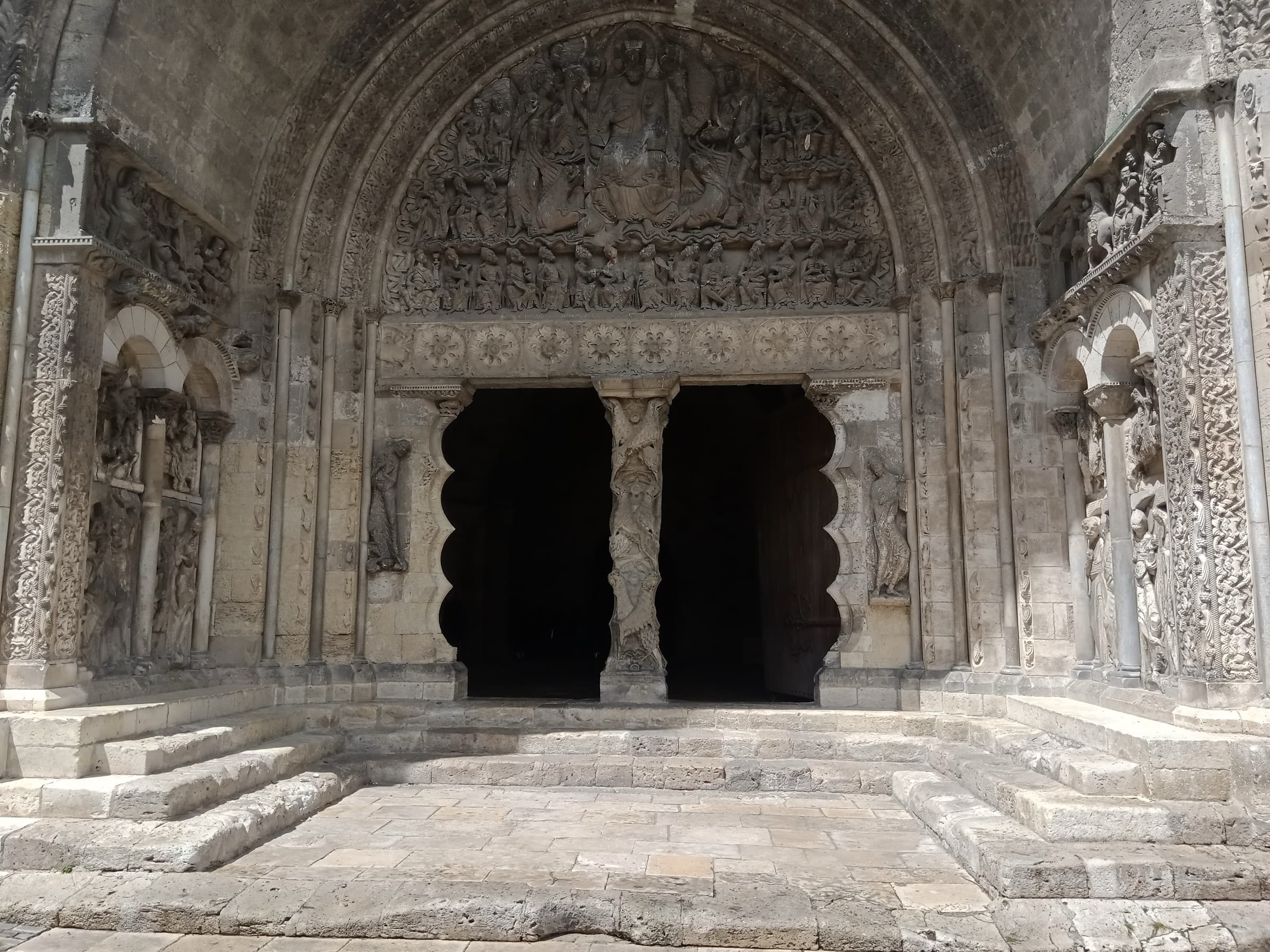
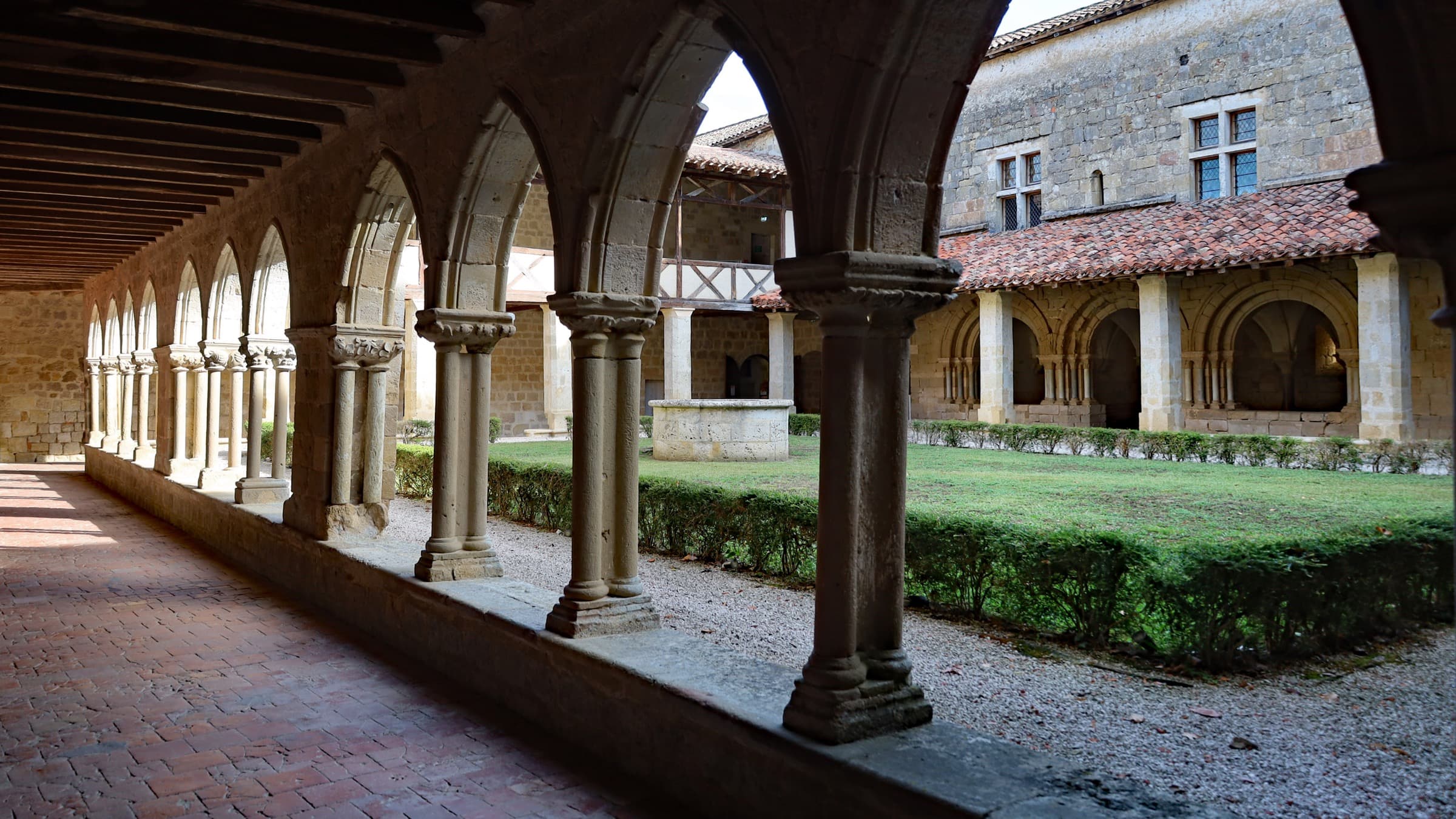
- MoissacAbbaye Saint-Pierre de Moissac Our pickAn inscription on one of the cloister pillars dates it to the year 1100 and names the abbot who built it — precision almost unheard of for a Romanesque cloister. Seventy-six capitals survive, forty-seven carved with narrative scenes. The church next door is free to walk into even if you skip the ticket. Allow an hour; the carving is the point and rushing it is pointless.Year round